






How to Escape the Debt Trap in 2026: A Complete Guide to Debt Consolidation Loans for Bad Credit Borrowers in the US
How to Escape the Debt Trap in 2026: A Complete Guide to Debt Consolidation Loans for Bad Credit Borrowers in the US

If you've been staring at a stack of credit card statements wondering how the balances keep climbing even though you swear you're paying every month, you're not alone. I've talked to dozens of readers this year who feel like they're running on a treadmill — making payments but never actually moving forward. In 2026, that feeling isn't just in your head. It's backed by real numbers.
Credit card APRs are still hovering near record highs, many issuers charging north of 24% on revolving balances. Add in grocery prices, rent, and utility costs that haven't exactly gone easy on anyone's budget, and you get a perfect storm. When most of your minimum payment goes toward interest instead of principal, you're not really paying down debt — you're just paying to keep the lights on for your creditors.
This is the debt trap: a cycle where your income covers the minimums, but the principal barely budges. It's especially brutal for people with bad credit, because they're often stuck with the highest rates in the first place. The good news? There's a legitimate way out, and it doesn't require winning the lottery or ignoring your phone every time it rings.
What Is Debt Consolidation and How Does It Work?
Debt consolidation is exactly what it sounds like — you take multiple debts (credit cards, personal loans, medical bills, maybe a store card or two) and roll them into a single new loan. Instead of juggling five due dates and five different interest rates, you make one monthly payment, ideally at a lower rate than what you were paying before.
The math only works in your favor if the new loan's interest rate is meaningfully lower than the blended average of what you're currently paying. That's the whole point — simplify your life and reduce the amount of money bleeding out in interest every month.
Debt Consolidation Loans vs. Balance Transfer Cards
You've probably seen ads for balance transfer cards promising 0% APR for 12 or 18 months. Sounds great, right? The catch is that these offers are typically reserved for people with good to excellent credit. If your score has taken a hit, you likely won't qualify, or you'll get approved with a credit limit too small to actually consolidate much.
This is where a personal loan for debt consolidation tends to be more realistic for bad-credit borrowers. Approval standards are more flexible, the rate is fixed for the life of the loan, and you know exactly when you'll be debt-free — no surprise rate hikes when a promotional period ends.
Can You Get a Debt Consolidation Loan with Bad Credit?
Yes — and I want to be direct about that because a lot of people assume a low score automatically disqualifies them. It doesn't. Lenders who specialize in bad-credit borrowers look beyond the FICO number. They weigh your income stability, your debt-to-income ratio, and sometimes even your banking history to gauge whether you can realistically handle a new fixed payment.
Should you expect a great rate? Probably not. If your score is below 580, you're likely looking at APRs somewhere in the mid-teens to low-30s depending on the lender and your overall financial picture. That's still often better than the 24-29% many credit cards charge, especially once you factor in that the loan has a defined payoff date instead of dragging on indefinitely.
Secured vs. Unsecured Consolidation Loans
Secured loans require collateral — often a vehicle — and in exchange, lenders usually offer lower rates because their risk is reduced. The tradeoff is obvious: miss payments, and you could lose the asset you put up.
Unsecured loans don't require collateral, which feels safer, but they typically come with higher interest rates for bad-credit applicants since the lender is taking on more risk. Which one makes sense for you really depends on whether you have an asset you're comfortable leveraging and how confident you are in your ability to keep up with payments.
How to Find and Compare the Best Debt Consolidation Loans for Bad Credit
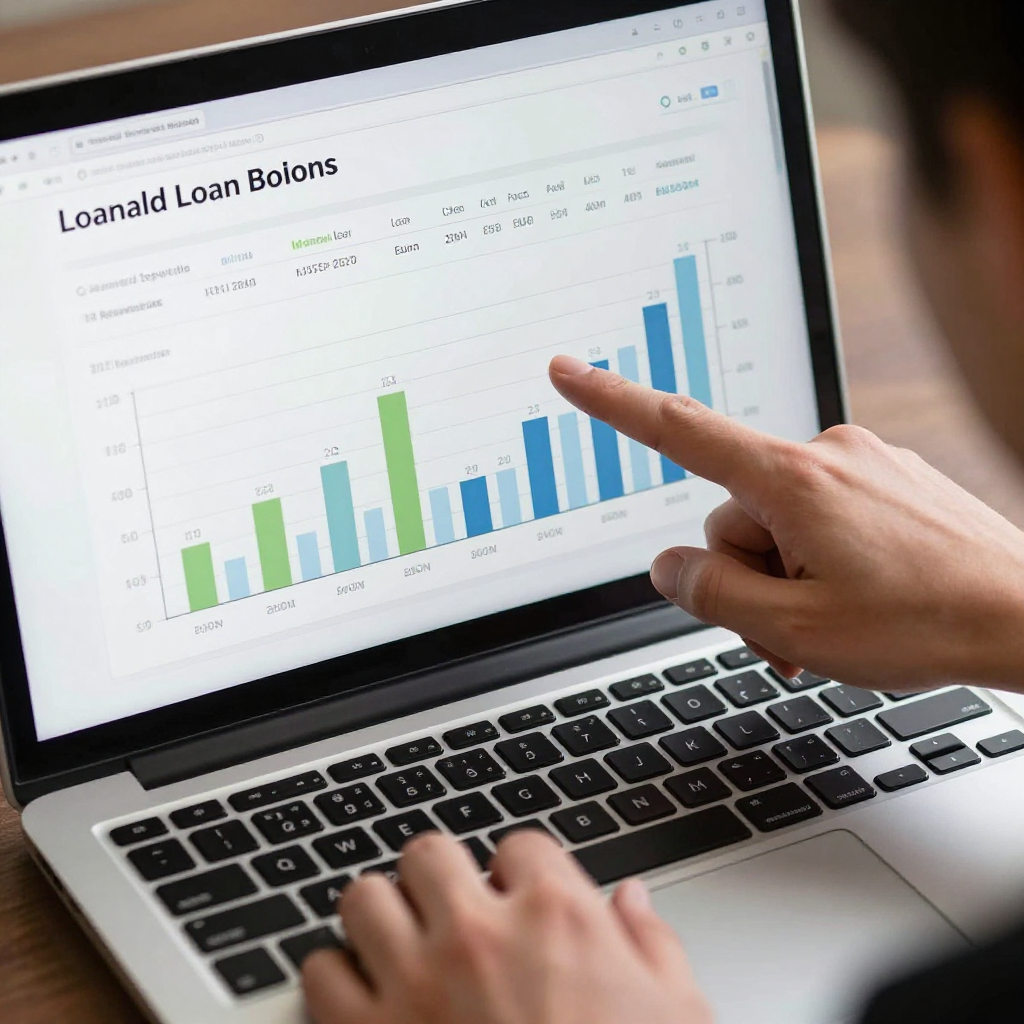
This is where most people either save themselves a lot of money or accidentally dig a deeper hole. Not all lenders marketing to bad-credit borrowers are created equal — some charge reasonable rates with transparent terms, while others bury borrowers in fees that erase any savings from consolidating in the first place.
I always recommend pulling quotes from at least three to five lenders before signing anything. Rates, fees, and approval odds can vary wildly even among lenders targeting the same credit tier. If you want a starting point that's already done some of the legwork, resources like this guide to loans for debt consolidation with bad credit break down eligibility requirements and lender options specifically for 2026, which can save you hours of digging through individual lender websites.
Key Factors to Compare (APR, Fees, Loan Terms)
- APR range: Look at the full range a lender advertises, not just the lowest number — that's usually reserved for near-perfect credit.
- Origination fees: Some lenders deduct 1-8% of the loan amount upfront. That's real money that reduces what actually lands in your account.
- Prepayment penalties: If you plan to pay the loan off early once your finances improve, make sure there's no penalty for doing so.
- Funding speed: If you're consolidating to stop collection calls or avoid a missed payment, how fast you get funded matters.
- Minimum credit score requirements: Some lenders explicitly state a floor, others don't — but you can usually find this through prequalification without a hard credit pull.
Step-by-Step: How to Apply for a Bad Credit Debt Consolidation Loan
Here's the process I walk people through when they're ready to actually take action:
- Step 1: Pull your credit report (annualcreditreport.com gives you free access) and check for errors that might be dragging your score down unfairly.
- Step 2: Add up every debt you want to consolidate — balances, interest rates, and minimum payments. Know your total before you start shopping.
- Step 3: Get prequalified with multiple lenders. Most bad-credit lenders offer soft-pull prequalification that won't ding your score further.
- Step 4: Compare the actual offers side by side — APR, fees, term length, and total repayment amount, not just the monthly payment number.
- Step 5: Once approved, use the funds immediately to pay off your existing debts. Don't let the money sit in your account 'just in case.'
Common Mistakes to Avoid When Consolidating Debt
I've seen well-intentioned people undo all their progress within months of consolidating. The most common mistake? Paying off the credit cards and then using them again because the balance is suddenly at zero. Consolidation doesn't fix spending habits — it buys you time to fix them.
Other pitfalls include ignoring origination fees that quietly eat into your savings, working with lenders who aren't properly licensed in your state (always verify this), and skipping the budgeting step entirely. A consolidation loan without a spending plan behind it is just a temporary patch, not a real fix.
Alternatives to Consider If a Consolidation Loan Isn't Right for You
If your credit is low enough that the rates you're offered don't actually save you money, a loan might not be your best move right now. Nonprofit credit counseling agencies can review your finances for free or low cost and often set up a debt management plan with reduced interest rates negotiated directly with creditors.
Debt settlement is another route, though it typically involves negotiating to pay less than you owe and can hurt your credit further in the short term. It's worth understanding all three paths — consolidation, management plans, and settlement — before deciding which fits your situation.
Final Thoughts: Building a Debt-Free Future in 2026
Bad credit closes some doors, but it doesn't lock you out of every option. The borrowers who make real progress this year are the ones who take the time to compare offers carefully, read the fine print on fees, and commit to a budget that keeps new debt from creeping back in. Debt consolidation isn't magic — but paired with discipline, it's one of the most practical tools available to finally break the cycle for good.