






Drowning in Credit Card Debt in Hawaii? A 2026 Guide to Debt Relief Options, Cost of Living Challenges, and How Hawaii Residents Can Settle Unsecured Debt Without Bankruptcy
Drowning in Credit Card Debt in Hawaii? A 2026 Guide to Debt Relief Options, Cost of Living Challenges, and How Hawaii Residents Can Settle Unsecured Debt Without Bankruptcy
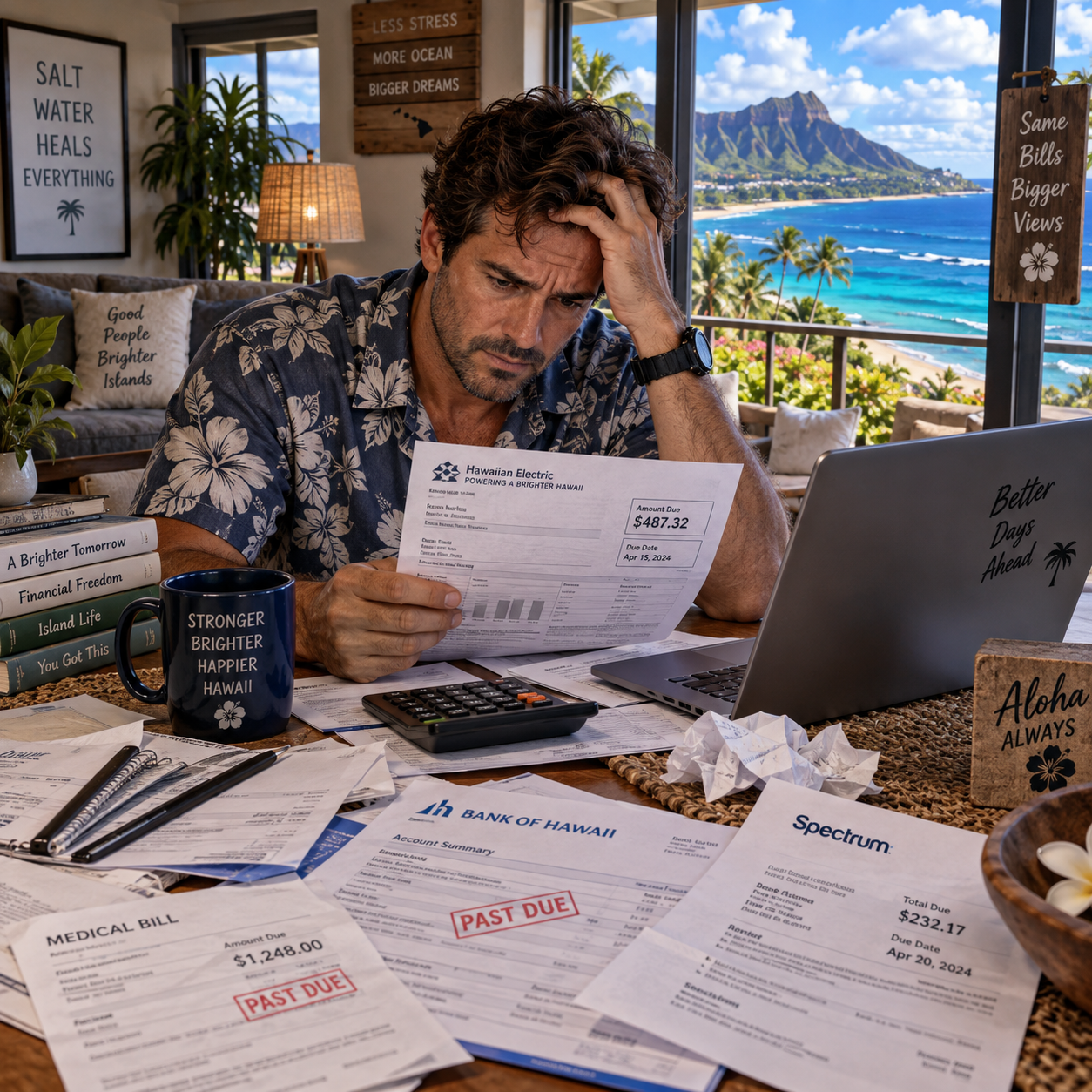
If you've watched your credit card balances creep higher every month while your paycheck seems to shrink, you're not imagining things. I've talked to enough local families over the past year to know that Hawaii's cost of living isn't just a talking point on the news—it's a daily reality that's pushing more residents toward plastic just to stay afloat. Groceries, gas, rent, and even a basic electric bill here can rival what people on the mainland pay for luxuries. So when that credit card becomes your grocery fund three weeks before payday, debt starts compounding fast.
The Real Cost of Living in Paradise
Let's talk numbers, because they tell the story better than I can. In 2026, the average one-bedroom rental in Honolulu is still hovering well above $2,000 a month, and that's before you factor in parking, which sometimes costs extra. A gallon of milk or a dozen eggs can run noticeably higher than mainland averages because so much has to be shipped in. Gas prices in Hawaii consistently rank among the highest in the nation, and utility bills—especially electricity—can shock newcomers who aren't used to island rates tied to imported oil.
When you stack these fixed costs against wages that haven't kept pace, it's not hard to see why so many households lean on credit cards for everything from car repairs to keiki school supplies. It's not irresponsible spending in most cases—it's survival math in a place where the numbers simply don't add up without some kind of financial buffer.
Signs You're Drowning in Unsecured Debt
There's a difference between having some credit card debt and being genuinely underwater. I've noticed a few warning signs tend to show up together when someone's situation has crossed into dangerous territory. If your minimum payments barely make a dent in your principal because interest keeps eating them alive, that's a red flag. If you're using one card to pay another, or relying on credit for necessities like food and medicine rather than occasional splurges, that's another.
- Your credit utilization ratio has climbed above 50-70% across your cards
- You're receiving calls or letters from collections agencies
- You've been denied for new credit or a rate increase
- You lie awake calculating which bill to pay late this month
- Your total unsecured debt exceeds several months of take-home pay
If any of this sounds familiar, please know you're far from alone, and there are structured paths forward that don't involve bankruptcy court.
Debt Relief Options Available to Hawaii Residents
Because Hawaii has a smaller pool of local lenders and credit unions compared to mainland states, residents often need to look at national programs designed to work remotely with island clients. The main categories worth understanding are debt consolidation loans, nonprofit credit counseling, debt management plans, and debt settlement.
Consolidation loans roll multiple balances into one lower-interest payment, but qualifying often requires decent credit—something that's tough if your scores have already taken a hit from high utilization. Credit counseling agencies can help you build a budget and may negotiate slightly lower interest rates through a debt management plan, though this usually still requires paying back 100% of what you owe over three to five years. For many Hawaii residents already stretched thin by housing and grocery costs, that full repayment timeline just isn't realistic.
Debt Settlement vs. Bankruptcy
This is where debt settlement starts to look attractive compared to bankruptcy. Chapter 7 can wipe out unsecured debt, but it also stays on your credit report for up to ten years and may put certain assets at risk depending on Hawaii's exemption laws. Chapter 13 involves a court-supervised repayment plan lasting three to five years. Debt settlement, by contrast, typically resolves in two to four years, doesn't require court filings, and often settles debts for a percentage of what's owed rather than the full amount. Your credit score will still take a temporary hit, but the recovery path tends to be shorter and less legally complicated than a bankruptcy filing.
How Hawaii Residents Can Settle Unsecured Debt Without Filing Bankruptcy
The settlement process generally starts with stopping payments to creditors and instead depositing funds into a dedicated savings account each month. Once enough has accumulated, a settlement company negotiates with your creditors to accept a lump-sum payment that's lower than your total balance owed. This can feel counterintuitive—missing payments on purpose—but it's a recognized strategy that creates negotiating leverage since creditors often prefer partial payment over the risk of getting nothing through bankruptcy.
For those exploring this route, understanding how Hawaii residents can settle unsecured debt through vetted, reputable companies can make the entire process far less overwhelming. Working with an established firm rather than going it alone typically means better negotiation outcomes and fewer surprises along the way.
What to Expect When Working with a Debt Settlement Company
Realistic timelines usually run 24 to 48 months depending on how much debt you're carrying and how consistently you can fund your settlement account. Fees are typically charged as a percentage of the debt enrolled or the amount saved, and legitimate companies won't charge substantial fees until a settlement is actually reached. Expect your credit score to dip during the process since accounts will show as delinquent before they're settled, but many clients see meaningful recovery within a year or two after completion.
How to Choose a Reputable Debt Relief Company in Hawaii
Not every company advertising 'debt relief' has your best interest at heart, unfortunately. Before signing anything, check whether the company is accredited by organizations like the American Fair Credit Council (AFCC) or the International Association of Professional Debt Arbitrators (IAPDA). Read third-party reviews, not just testimonials on their own website. Be wary of anyone promising 'guaranteed' results or asking for large upfront fees before doing any actual work—that's a classic red flag under FTC regulations. Confirm the company is licensed to operate with Hawaii residents, since some states have specific consumer protection requirements even for remote debt settlement services.
Common Mistakes to Avoid When Settling Debt
I've seen well-meaning people stumble through this process because of a few avoidable errors. Cutting off all communication with creditors entirely can sometimes backfire, since some are willing to work with you directly. Falling for companies that promise guaranteed debt elimination without reviewing your specific situation is another trap. Many people also forget that forgiven debt over $600 is generally reported to the IRS as taxable income, so budgeting for that tax bill matters. And always, always get any settlement agreement in writing before sending final payment—verbal promises from a collections representative won't protect you later.
Rebuilding Financial Stability After Debt Settlement
Settling your debt is the beginning of a new chapter, not the finish line. Once your accounts are resolved, focus on rebuilding credit gradually—a secured credit card with small, on-time payments can help rebuild your score within six to twelve months. Given Hawaii's persistently high cost of living, rebuilding an emergency fund of even $500 to $1,000 can prevent you from falling back into the same credit card cycle when the next unexpected car repair or medical bill hits. Budgeting tools designed around Hawaii's unique expenses, along with local nonprofit financial counseling services, can help keep you on track. Debt relief works best when it's paired with a realistic, sustainable plan for the years ahead—because paradise shouldn't come at the cost of your financial peace of mind.